Connection
is Where Communication Begins
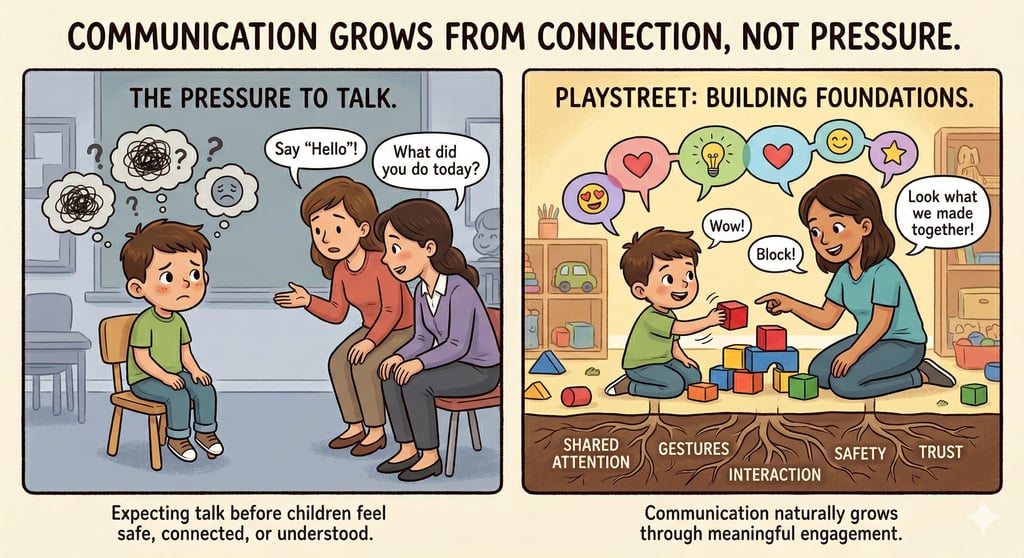
Communication Begins Long Before the First Word
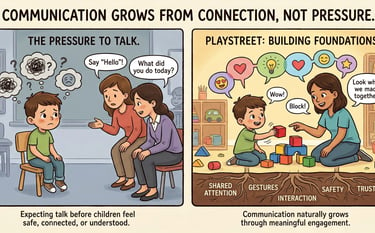
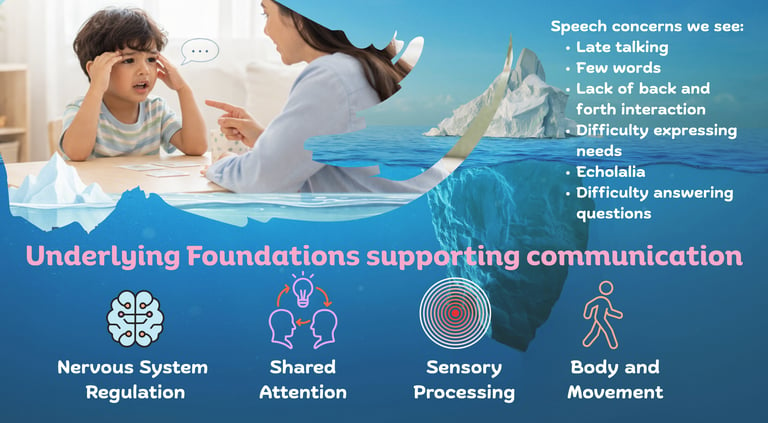
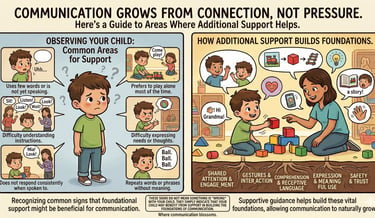
Many parents come to us worried about:
Late speech
Limited vocabulary
Echolalia
Difficulty answering questions
Lack of back-and-forth interaction
Difficulty expressing needs and feelings
But communication challenges are often connected to deeper foundations such as:
Nervous system regulation
Shared attention
Sensory processing
Motor planning
Social engagement
Why Communication Can Be Difficult?
At PlayStreet, we look at behaviour differently
When these foundations strengthen, communication begins to grow more naturally.
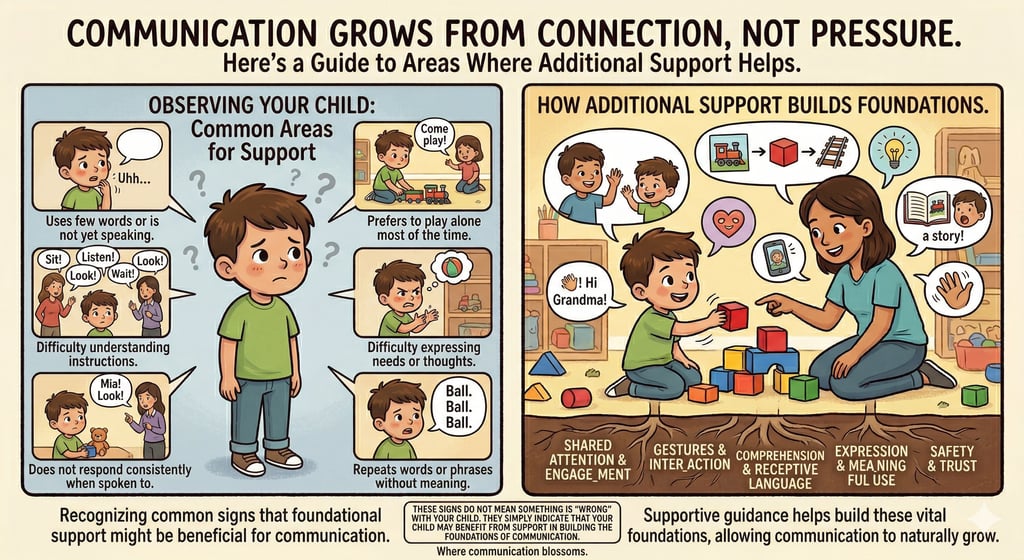
Signs Your Child May Need Communication Support
At Playstreet, we focus on strengthening these foundations so that communication can grow naturally, confidently, and meaningfully.
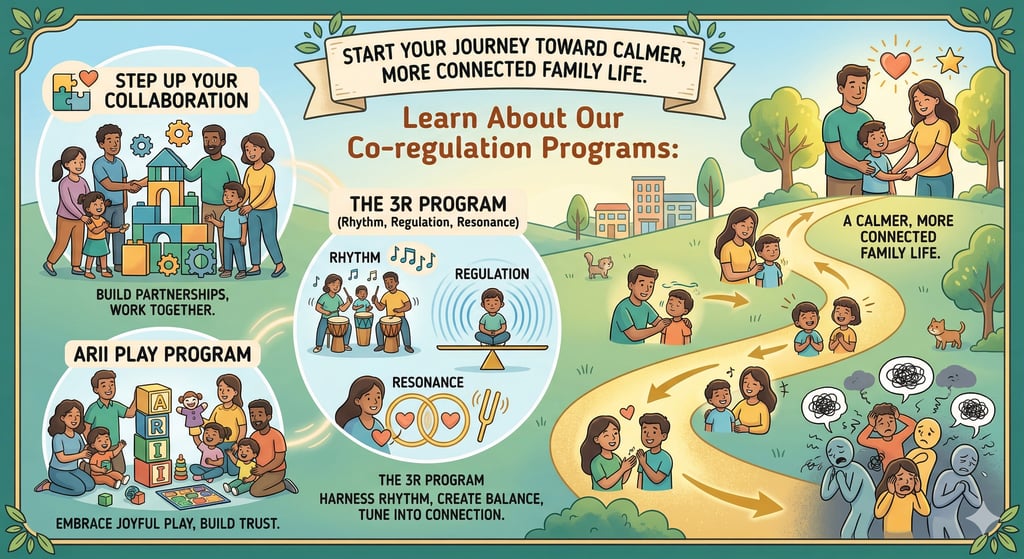
1. Co-Regulation: The First Step to Communication
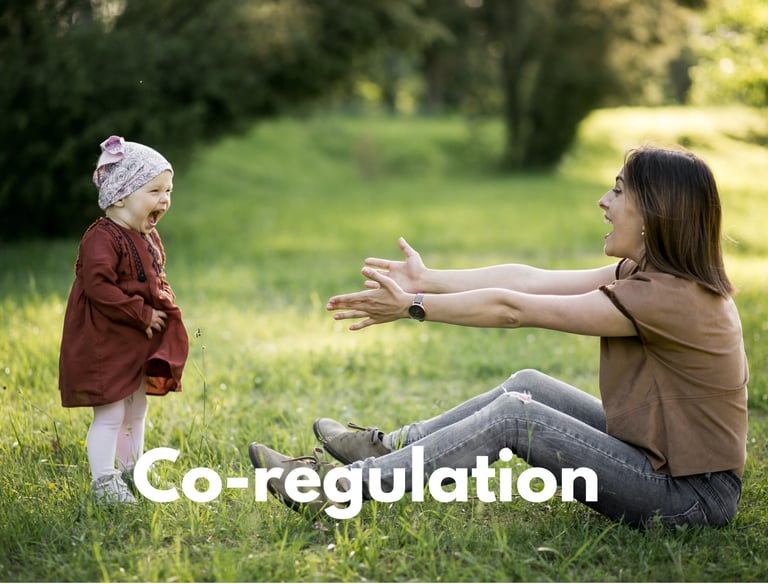
Before children communicate with words, they communicate through their nervous system.
When a child feels safe and supported through co-regulation, their brain becomes more available for:
Interaction
Eye contact
Listening
Expressing ideas
Social connection
Co-regulation helps children move from stress and shutdown → engagement and communication. a short text about your service. Highlight key benefits for potential clients.
Our Approach to Communication
Regulation → Connection → Shared Attention → Interaction → Language
At Playstreet, we work on communication through connection, regulation, play, and structured language support.
Our approach integrates multiple powerful frameworks.
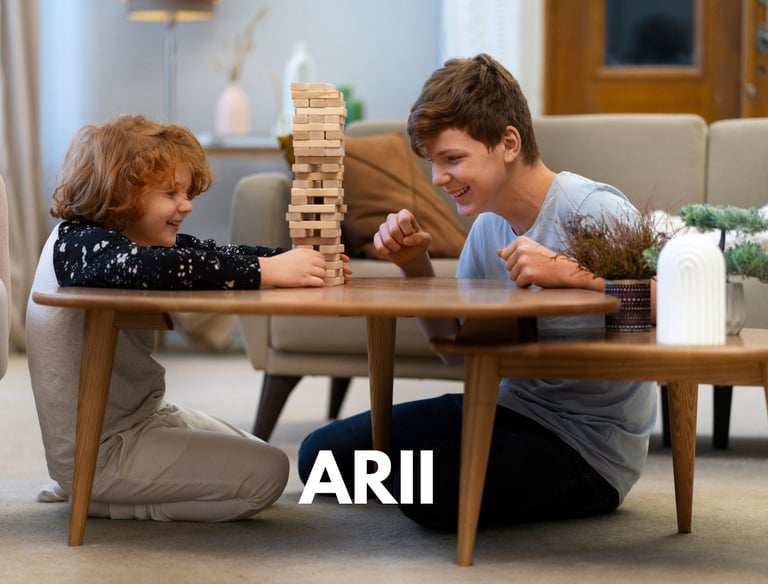
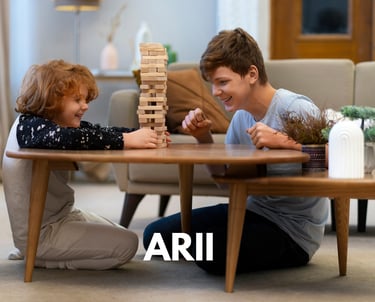
2. Building Interaction Through Play: The ARII Play Model
We use the ARII model of developmental play to grow communication naturally.
Anticipation: Helping the child enjoy predictable interactions and expect shared moments.
Reciprocity: Building back-and-forth exchanges between the child and adult.
Imitation: Supporting the child to copy actions, sounds, gestures, and eventually words.
Ideation: Helping the child generate their own ideas during play and interaction.
These stages create the social foundation for meaningful communication.
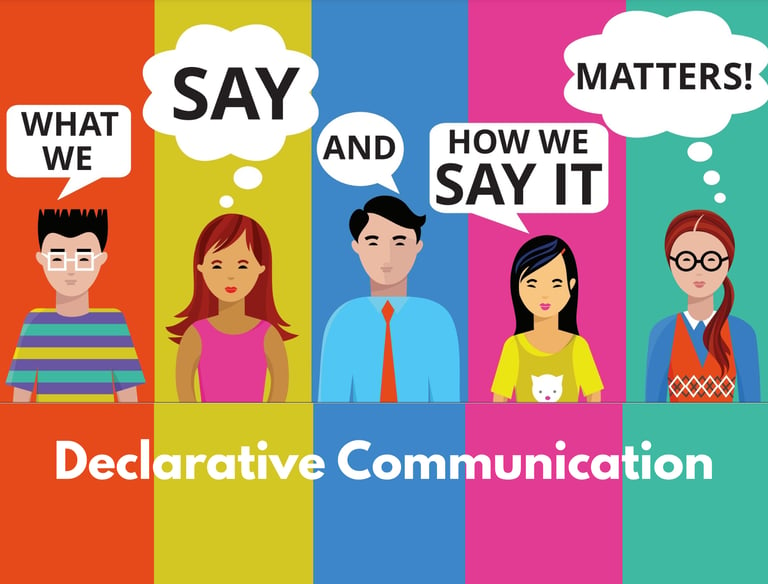
3. Declarative Communication
Many children learn to communicate mainly to request things.
But real communication also includes:
Sharing experiences
Commenting
Showing interest
Expressing thoughts
Connecting with others
We encourage declarative communication, where children learn to share their world, not just ask for things.
This builds deeper social connection and language development.
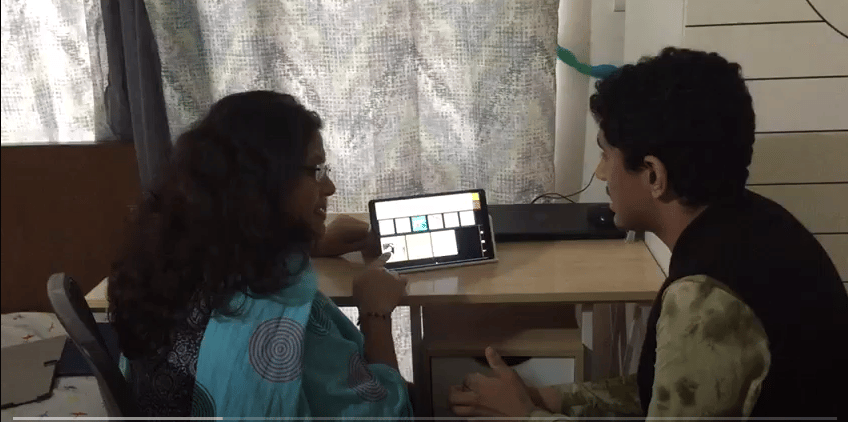
4. AAC: Supporting Communication in Multiple Ways
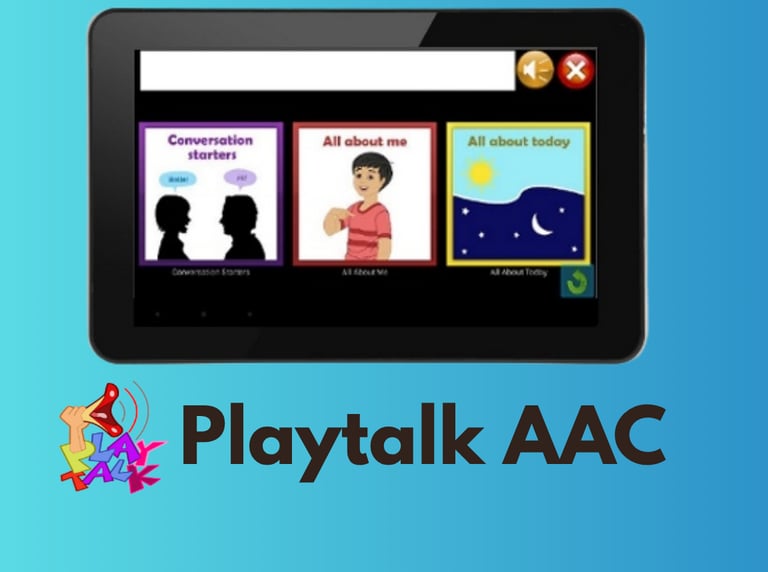
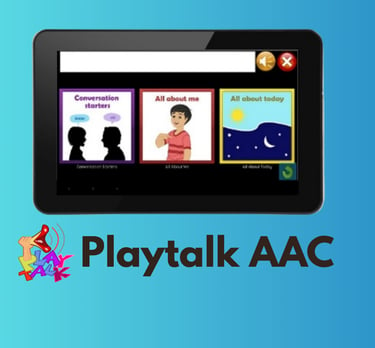
Some children benefit from Augmentative and Alternative Communication (AAC) systems.
AAC may include:
Picture-based communication
Visual communication systems
Communication devices
Structured communication supports
AAC does not prevent speech.
Instead, it often reduces frustration and helps language grow by giving children a way to express themselves.
At Playstreet, AAC is introduced thoughtfully as a bridge to meaningful communication.
5. Developing Language & Comprehension
We also support language development using structured programs that strengthen how children process and understand language.
Talkies (Lindamood-Bell)
Talkies helps children become aware of how sounds are formed in the mouth, supporting clearer speech and phonological awareness.
Visualizing & Verbalizing
This program strengthens the ability to create mental images for language, which helps children improve:
Listening comprehension
Expressive language
Story understanding
Reading comprehension
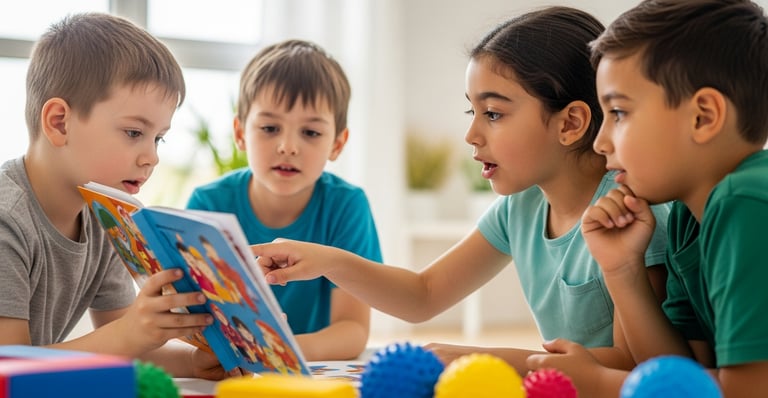
Every child’s communication journey is unique.
Our goal is not simply to teach words — but to help children:
Connect
Express themselves
Share their ideas
Understand others
Participate meaningfully in the world around them
Because communication is ultimately about relationships.
Communication Is a Journey

Ready to Understand Your Child Differently?
Let’s take the first step together.
Because when children feel safe, development unfolds.
PlayStreet Global – Online Guidance & Parent Empowerment Platform
Reach out to us
Subscribe to our newsletter
© 2026. All rights reserved.
Mon-Fri 09:00 am to 6:00 pm
Bangalore, India | Empowering families worldwide through online consultations and programs.