
Social Development
Through Play
Social Development Begins with Connection through Play
Many parents come to us worried about their child’s social interaction — making friends, joining play, or connecting with others.
Why Play Matters for Social Development?
We help the body settle before expecting engagement
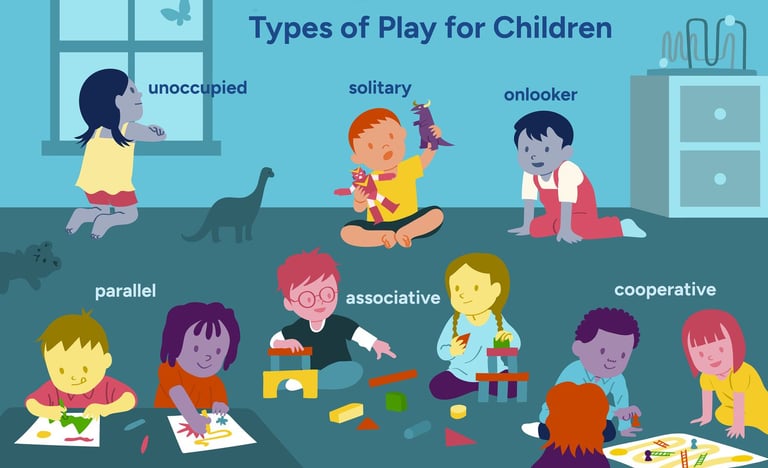
Some common stages of play include:
Unoccupied Play – exploring the environment through movement and sensory experiences.
Solitary Play – playing independently and focusing on one’s own activities
Onlooker Play – watching other children play and learning social cues
Parallel Play – playing alongside others with growing awareness
Associative Play – beginning to share materials and interact loosely
Cooperative Play – engaging in shared goals, teamwork, and group play
Each stage plays an important role in building social awareness and interaction skills.
How Play Develops
The Stages of Play
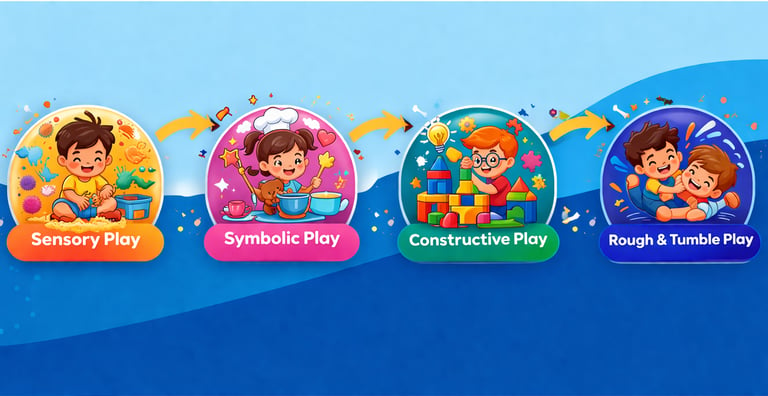
Different Types of Play
Children also learn through different types of play experiences, such as:
Sensory Play – exploring textures, materials, and sensory experiences
Symbolic Play – using imagination and pretend play
Constructive Play – building, creating, and problem-solving
Rough & Tumble Play – active physical play that helps children understand boundaries, coordination, and trust
When play is safe, attuned, and co-regulated, these experiences become powerful opportunities for social learning.
Children’s Play Develops Gradually Over Time
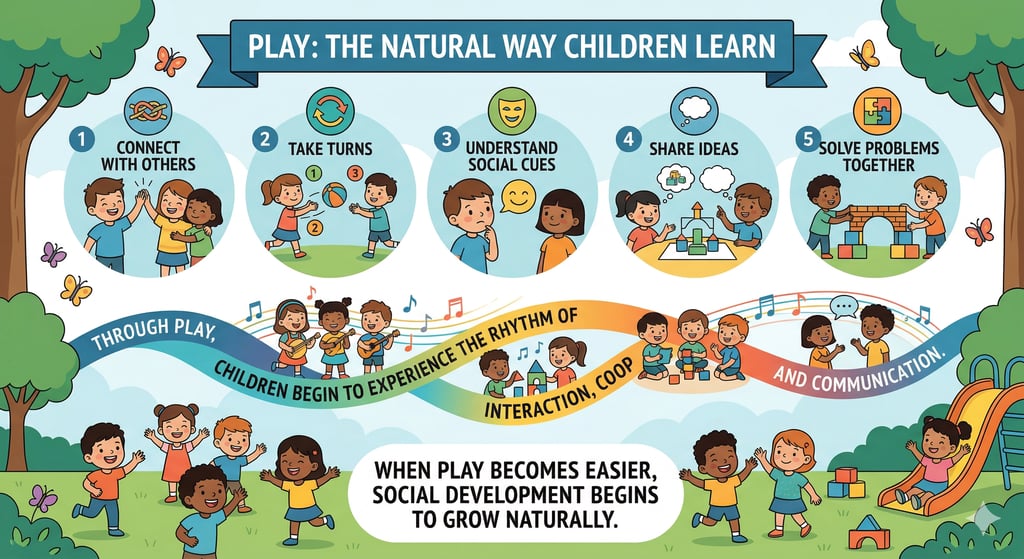
Through play, the brain begins to organise
Our Play-Based Approach
The ARII Model
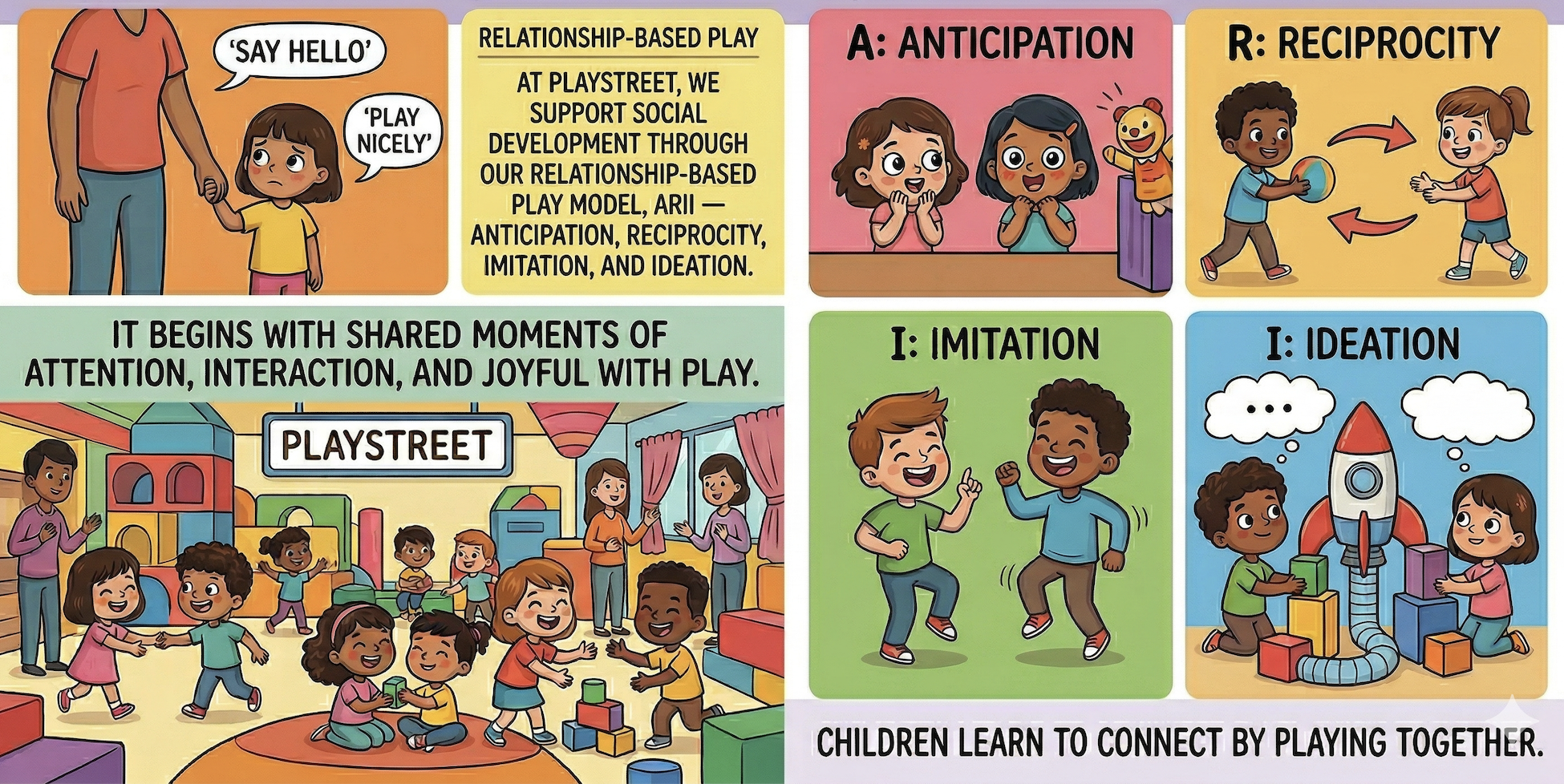
Anticipation


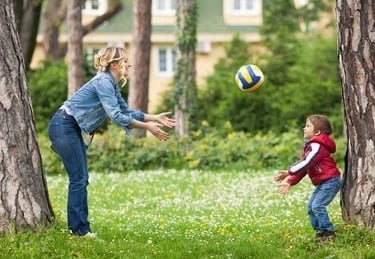
Social connection often begins with a simple moment — a pause, a smile, a shared look.
Anticipation helps children experience the joy of expecting a shared moment with another person.

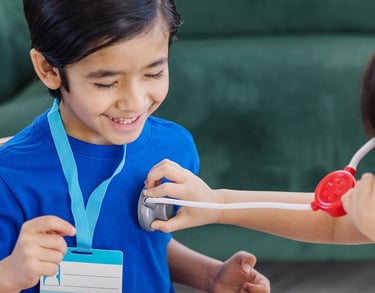
At Playstreet, we support social development through the ARII model of interaction and play.
ARII focuses on four essential building blocks of social connection.


Reciprocity
Social interaction grows through back-and-forth exchanges.
A look… a gesture… a sound… a response.
Reciprocity helps children learn the rhythm of interaction that later supports conversation and relationships.
Imitation
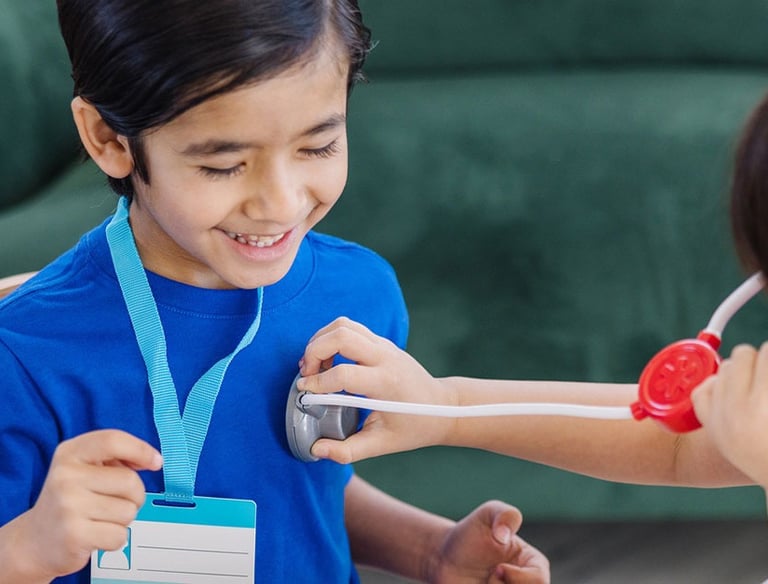
Imitation is one of the earliest ways children connect with others.
When children copy actions, sounds, or gestures, they are saying: “I want to be part of this with you.”
Imitation builds shared experience and emotional connection.
Ideation
Ideation is when children begin to bring their own ideas into play.
They imagine new possibilities, suggest different ways to play, and express their creativity.
This stage reflects growing confidence, imagination, and social participation.
Connection grows through shared moments
Before children comfortably connect with others, their nervous system needs to feel safe and supported.
Through attuned interaction and shared play, adults help children experience co-regulation.
When children feel regulated and connected, they become more available for:
Interaction
Communication
Creativity
Social engagement
Co-Regulation Comes First
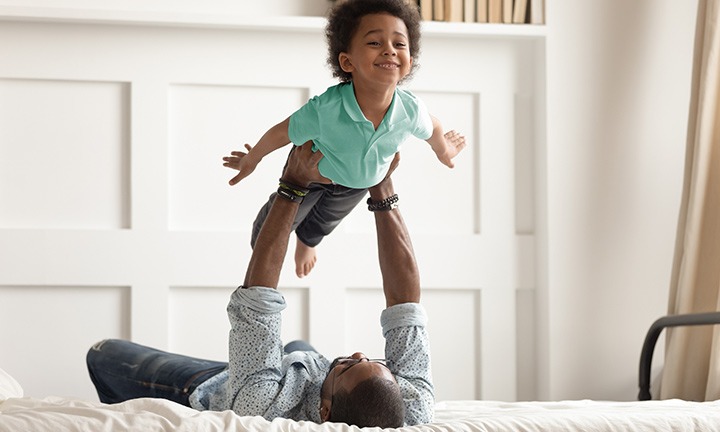
Skills emerge naturally when the foundation is strong
Regulation is Not the End Goal — it is the Foundation on which Communication, Learning, and Relationships Grow
Our goal is not simply to teach social rules.
Instead, we help children develop the foundations of social connection, including:
Shared attention
Back-and-forth interaction
Imitation and collaboration
Creativity in play
Confidence in engaging with others
These foundations support children in building meaningful relationships and social participation.
Supporting Social Confidence...
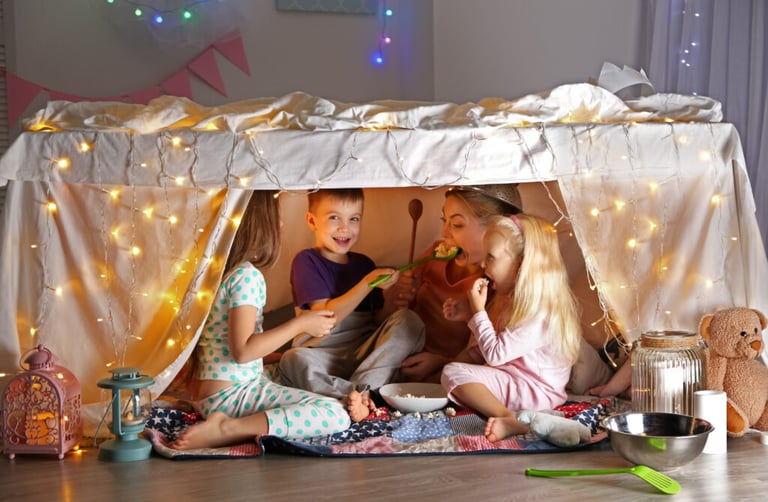
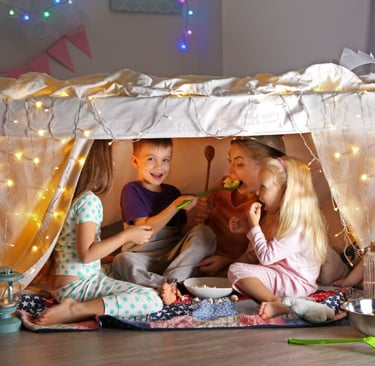
Because children don’t learn through instruction — they learn through experience
Ready to Understand Your Child Differently?
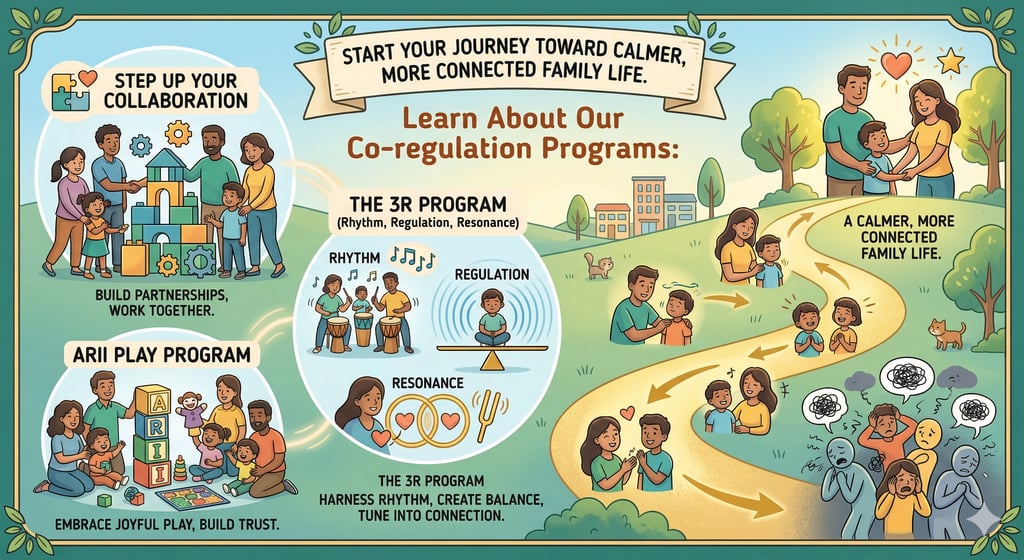
Let’s take the first step together.
Because when children feel safe, development unfolds.
PlayStreet Global – Online Guidance & Parent Empowerment Platform
Reach out to us
Subscribe to our newsletter
© 2026. All rights reserved.
Mon-Fri 09:00 am to 6:00 pm
Bangalore, India | Empowering families worldwide through online consultations and programs.